Still Struggling with Buckling LVT and Tile Joints? Discover How to Choose the Right Floor Transition Profiles
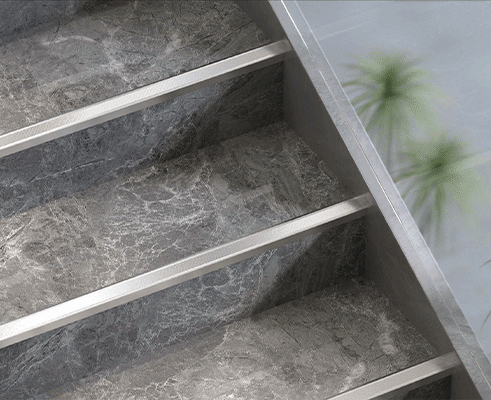
In commercial build-outs and high-end residential projects, creating a seamless transition between flexible PVC/LVT flooring and rigid ceramic tiles is one of the most critical technical challenges for installers and specifiers. Months after project handover, developers and facility managers often face frequent complaints about edge curling, cracking, or squeaking at floor intersections.
What causes this structural failure? When selecting Connection Profiles for PVC Floor, should you specify flexible profiles or rigid stainless steel transition strips? This guide breaks down the physical properties, scenario matching, and installation best practices to help you avoid costly callbacks.
1. The Core Conflict: Why Do Joints Between PVC Flooring and Tiles Crack or Buckle?
- Thermal Expansion Coefficient (CTE) Disparity: Flexible LVT and PVC resilient flooring are highly sensitive to temperature and humidity fluctuations, expanding and contracting noticeably. In contrast, ceramic tiles possess high dimensional stability with virtually zero thermal movement under normal conditions.
- Rigid vs. Flexible Stress Dynamics: As foot traffic rolls over the intersection or ambient room temperatures shift, opposite shear stress forces accumulate at the joint. An improper profile selection will result in cracked trims, tented PVC edges, or adhesive fatigue over time.
- High-Risk Application Areas: These failure points are especially prevalent in open-plan office layouts, medical cleanroom corridors, high-traffic commercial centers, and open-concept residential spaces.
2. Material Comparison: Flexible Profiles vs. Rigid Metal Profiles
When evaluating Transition Profiles for LVT, architects and general contractors must weigh the performance trade-offs between rubber/PVC composite trims and rigid metallic profiles (such as 304/316 stainless steel or high-grade aluminum alloy).
The following matrix compares key operational performance factors:
| Evaluation Criteria | Flexible Connection Profiles (PVC / Rubber) | Rigid Connection Profiles (304/316 Stainless Steel) |
| Stress Buffering | Excellent (Adapts to minor thermal expansion and contraction of PVC) | Moderate (Relies on mechanical rigidity to hold floor edges firmly down) |
| Heavy Load & Wear Resistance | Medium (Prone to scuffs, scratches, or wear under heavy carts and rolling loads) | Exceptional (Handles extreme traffic, airport/mall footfall, and hospital gurneys) |
| Aesthetics & Finish | Utility-focused, industrial appearance; visible profile lines | Sleek, modern, and minimalist with premium metallic finishes |
| Service Life | Medium-term (May age, harden, or discolor after several years) | Long-term (Matches building lifespan; rustproof, corrosion-resistant, colorfast) |
3. Scenario-Based Selection Guide: Choosing the Right Transition Strip
Selecting between Rigid vs Flexible Floor Trims requires analyzing the environmental demands of each specific zone:
1. Commercial Heavy-Duty & Healthcare Facilities
For hospitals, laboratories, and high-traffic corridors, specify high-strength stainless steel transition profiles (such as Connection Profiles for PVC Floor). These environments require smooth wheel passage, chemical resistance, and heavy impact resistance to prevent floor edge breakdown under constant trolley traffic.
2. Large Spaces with Temperature Variations
In sunrooms, glass facades, or broad-span open residential plans, LVT undergoes increased thermal expansion. For these zones, use transition systems designed with micro-elastic buffers or ensure adequate physical expansion gaps are left along the metal trim track.
3. Aesthetics-Driven Commercial & Residential Spaces
Ultra-narrow edge profiles made of PVD-coated stainless steel (such as champagne gold, matte black, or brushed chrome) deliver seamless aesthetic integration. They secure the floor edges while providing a clean, modern transition line that enhances the overall interior design.
4. Key Installation Requirements and Technical Guidelines
Selecting the correct profile is only half the battle; precise installation techniques ensure long-term stability:
- Subfloor Elevation Control: Ensure exact height alignment between the tile bed and the LVT underlayment. Avoid abrupt height differentials that create tripping hazards or leave unsupported profile edges.
- Expansion Gap Allowance: Never butt flexible PVC flooring tightly against a rigid metal strip. Always leave the manufacturer-recommended expansion gap inside the profile channel to allow natural material movement.
- Fastening Systems: Combine snap-in base tracks with high-tack structural adhesives or countersunk mechanical anchors to eliminate squeaking and prevent profile detachment over years of heavy foot traffic.
5. Frequently Asked Questions (FAQ)
Q1: Is a metal transition strip mandatory when joining SPC or LVT flooring to tile?
While flexible profiles exist, metal transition strips provide superior long-term edge protection, moisture resistance, and impact durability under commercial traffic. They prevent the LVT edges from fraying or lifting over time.
Q2: How can I prevent stainless steel transition profiles from loosening or squeaking after installation?
Loosening and squeaking are caused by subfloor unevenness or adhesive breakdown. Always prep the subfloor, apply suitable primers, and secure the trim base with heavy-duty construction adhesive or mechanical fasteners along a level track.
Q3: How do stainless steel PVC transition profiles perform against harsh chemical cleaners?
High-grade 304 and 316 stainless steel trims (such as the JECA Stainless Steel Transition Strip) offer excellent resistance to harsh commercial disinfectants, acidic agents, and chlorine-based cleaners commonly used in healthcare and commercial facilities, preventing surface discoloration and corrosion.
Floor transition details make all the difference in achieving a professional, long-lasting surface finish. As a specialized manufacturer of architectural trims and flooring profiles, we provide a full range of JECA Stainless Steel Transition Strip products and custom Connection Profiles for PVC Floor solutions for global projects. Whether you are specifying for heavy-duty commercial projects or modern residential developments, our engineering team is ready to assist you with technical specifications, product catalogs, and samples. Feel free to reach out to our team to discuss your project requirements.
Contact JECA DECOR
Explore JECA DECOR products
Obliquity Profiles and Glass Profiles
AF7717 Obliquity Profiles and Glass-Profiles: Premium Alumin...
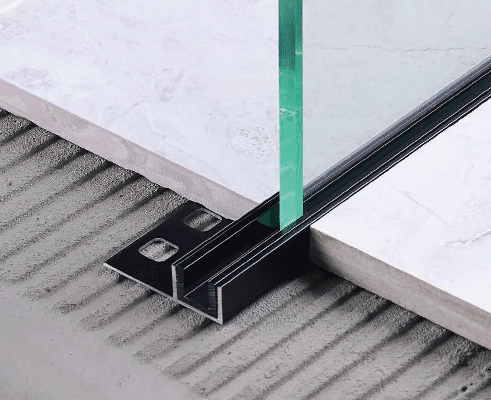
When it comes to glass shower partition installations, securing the glass panel seamlessly while creating a clean, watertight transition with surrounding floor and wall tiles is essential for long...
Balconies Boundary Profiles
AR7706 Balconies Boundary Profiles: The Ultimate Edge Soluti...
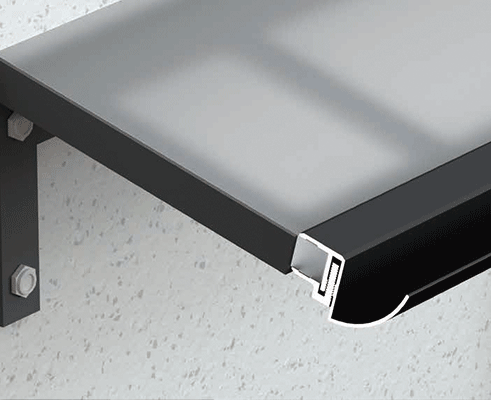
When it comes to outdoor tile installations, securing the edges of outdoor balconies and open-air terraces is one of the most critical steps in ensuring structural longevity. Without a proper boun...
Stair Nosing Profiles for Tiles
SB022 Stair Nosing Profiles: Anti-Slip Stainless Steel Stair...
Exposed edges on wall corners, floor transitions, stair treads, and tile perimeters are highly vulnerable to chipping, impact damage, and uneven alignment during daily use. Without a precision-engi...
Contact JECA Decor
Custom Solutions for Global Projects
Established in 2012, we specialize in high-end decorative accessories. With over ten years of industry experience, we are committed to the product philosophy of "Safety, Practicality, and Advanced Technology".
- ISO9001 Quality Management System
- EU CE certification
- IPMS (Intellectual Property Management System)
- Australian, American, and Canadian standards
We are located in Foshan, Guangdong, just under one and a half hours' drive from Guangzhou Baiyun International Airport, in the heart of the Pearl River Delta Economic Zone.
If you are interested in any of our products, or would like to discuss a custom order, please feel free to contact us. We look forward to building long-term business relationships with clients around the world.